






Our Services
From bespoke consultancy to coaching - services structured to get results

Our Results
Published papers on the Care Aims Framework in practice and client testimonials
About Care Aims
The benefits of Care Aims, how it works and who we help
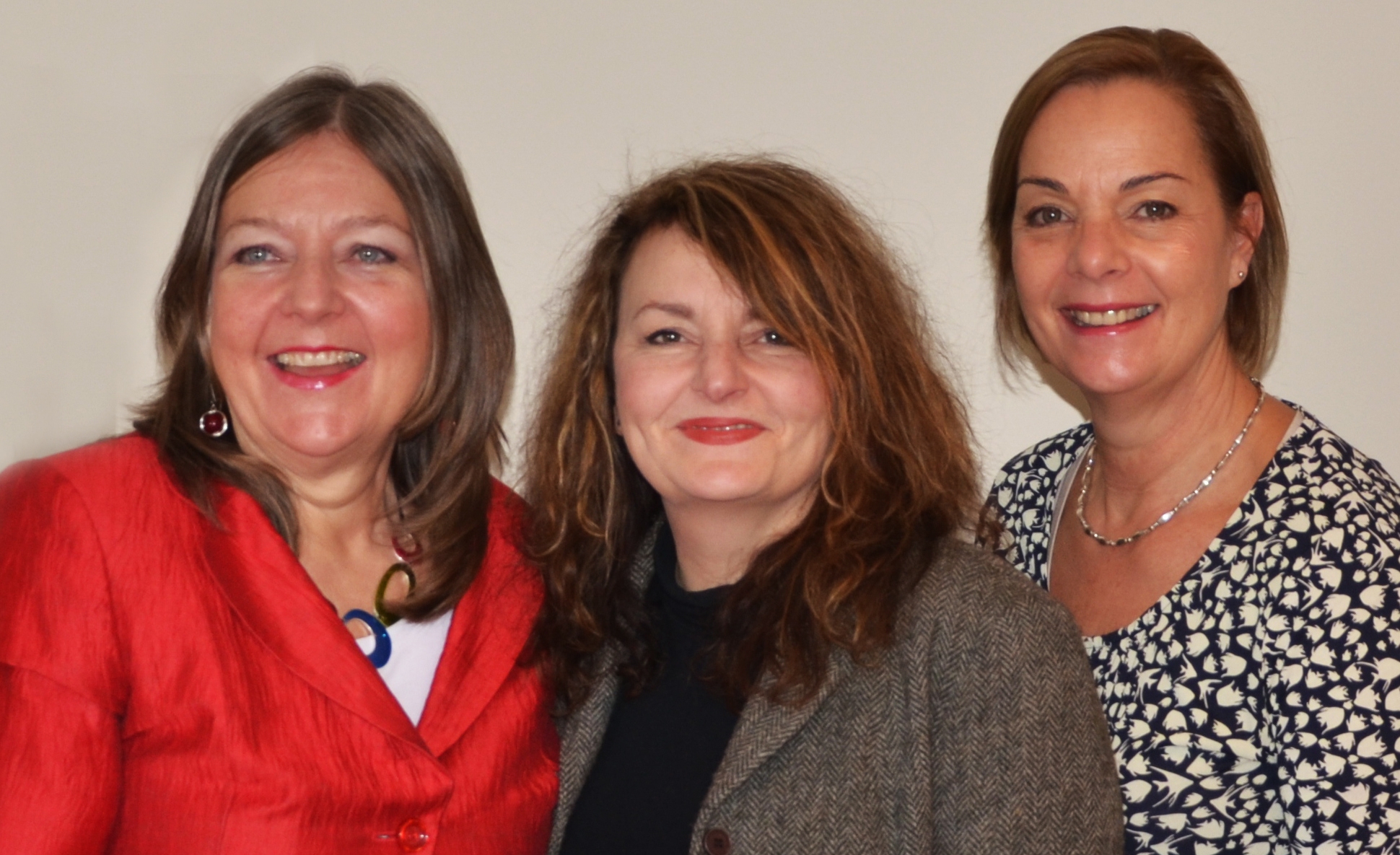
The Care Aims Team
Meet the key people who can help you achieve better outcomes
Care Aims Framework
The Care Aims Framework helps professionals in the health, social care and education sectors in England, Scotland, Wales and Northern Ireland improve services for users by introducing genuinely person-centred, evidence-based and systematically reflective decision-making and processes. This leads to better outcomes for service users, with greater user understanding, greater engagement and fewer complaints. But it also boosts staff morale, improves team functioning, reduces individual, team and organisational stress, facilitates communication between different agencies, helps realign targets with user needs and helps reconcile the gap between professional ambitions and resources. Read more
Organisational Intelligence that withstands a target-driven system where fear dominates
An introduction to Using Care Aims thinking to transform Health, Social Care and Third-Sector Services. Watch a workshop delivered online for Strategic Leaders across Wales. Introduction by Alex Howells, Chief Executive of Health Education and Improvement Wales.
Master Classes for Validated Care Aims Trainers

This year’s Care Aims Master Classes for Validated Trainers will be run on Zoom on: Tuesday 16th January 2024 – 9.30pm – 12.30 pm Thursday 18th January 2024 – 9.30am – 12.30pm The main focus will be sharing expertise and Effective Discharge Decisions – collaborative conversations that equip communities to create their own…
Contact Us
Request your initial no-obligation free consultation to see if The Care Aims Framework could help with your challenges.
“Before I was introduced to the Care Aims Framework I was seriously considering leaving my profession as an OT. My disillusionment with the treadmill I was on and my feelings of helplessness have now been transformed into excitement, clarity and more energy than I ever knew I possessed. Thank you for reconnecting me with the reason I trained.”
“Before I was introduced to the Care Aims Framework I was seriously considering leaving my profession as an OT. My disillusionment with the treadmill I was on and my feelings of helplessness have now been transformed into excitement, clarity and more energy than I ever knew I possessed. Thank you for reconnecting me with the reason I trained.”